How to Achieve Organic Traffic Growth Without Paid Ads
HomeseoHow to Achieve Organic Traffic Growth Without Paid Ads
Learn how to achieve organic traffic growth without paid ads using SEO, keyword research, content strategies, and backlinks for long-term website success.
Introduction to Organic Traffic Growth
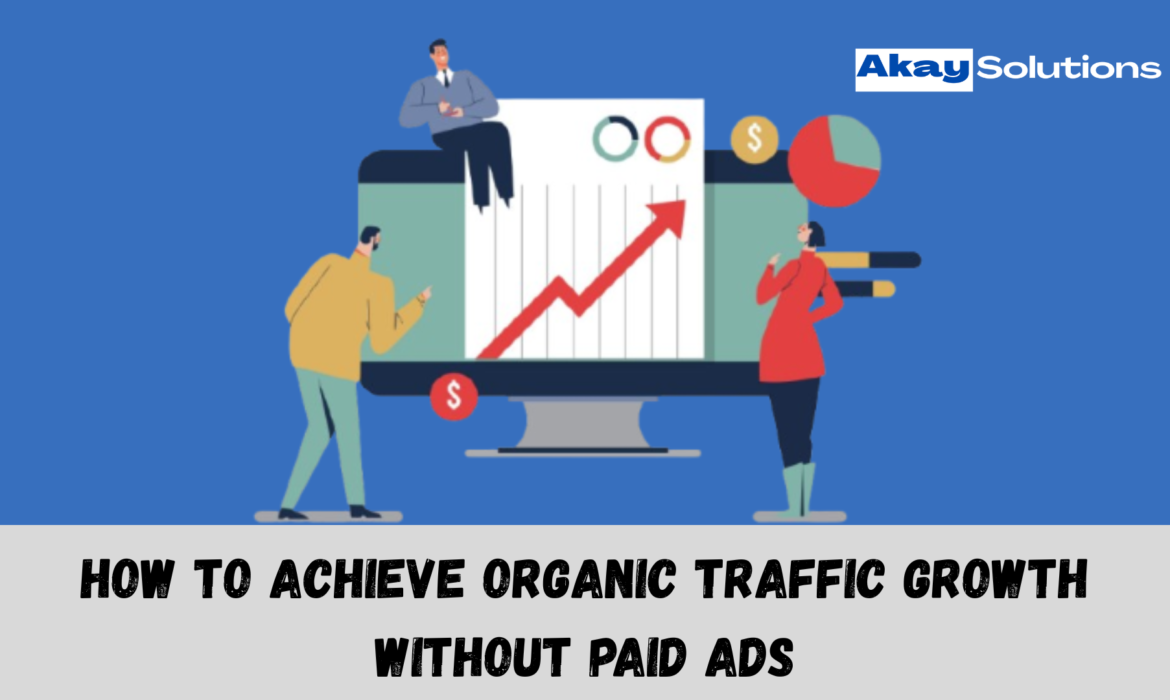
Organic traffic growth means increasing website visitors naturally through search engines without spending money on paid advertisements. It is one of the most reliable and cost-effective ways to grow a website online in the long term. I believe organic traffic is valuable because users arrive with real intent and trust, which improves engagement and conversions. Businesses that focus on organic traffic growth build long-term visibility, credibility, and brand authority instead of depending on short-term paid campaigns. Organic traffic also helps websites grow even when marketing budgets are limited, making it a strong foundation for sustainable digital success.
Understanding What Organic Traffic Really Means
Difference Between Organic Traffic and Paid Traffic
Organic traffic comes from unpaid search engine results, while paid traffic comes from advertisements such as Google Ads or social media ads. Organic visitors usually trust websites more because they discover them naturally while searching for answers or solutions. I have personally seen that organic traffic converts better over time because users have higher intent and interest. Paid ads can bring fast results, but they stop working once the budget ends and do not create lasting authority. Organic traffic, on the other hand, builds long-term value, which is why SEO-driven traffic is better for sustainable growth.
Why Organic Traffic Is More Sustainable Long-Term
Organic traffic grows slowly at the beginning, but it remains stable and consistent for a long period. Once a page ranks well on search engines, it can generate traffic for months or even years with minimal effort. I strongly believe organic traffic builds trust with search engines because it is based on relevance and quality content. Search engines reward websites that consistently publish helpful and user-focused content. Since organic traffic does not depend on daily ad spending, it becomes a long-term digital asset for any website.
How Search Engines Drive Organic Traffic
Search engines drive organic traffic by ranking content based on relevance, quality, and user experience. SEO helps search engines understand what a page is about and how useful it is for users. I always focus on creating content that clearly answers user questions and solves real problems. When users stay longer on a page and engage with the content, search engines consider it valuable. This process helps websites achieve organic traffic growth naturally without relying on paid ads.
Building a Strong SEO Foundation
Importance of SEO for Organic Traffic Growth
SEO is the foundation of organic traffic growth because it connects users with relevant content. Without proper SEO, even high-quality content may not reach the right audience. I believe SEO improves search visibility, rankings, and discoverability across search engines. It also helps websites appear consistently for relevant keywords. A strong SEO foundation ensures steady and predictable organic traffic growth over time.
On-Page SEO Basics You Must Get Right
On-page SEO includes optimizing title tags, meta descriptions, headings, internal links, and keyword placement. These elements help search engines understand the topic and purpose of a page. I always place keywords naturally so the content remains readable and helpful for users. Proper on-page SEO improves rankings and click-through rates from search results. Well-optimized pages attract more organic traffic and perform better in the long run.
Role of Technical SEO in Traffic Growth
Technical SEO focuses on website performance, page speed, mobile friendliness, and crawlability. Slow or poorly optimized websites lose rankings and visitors quickly. I recommend fixing technical SEO issues early to avoid long-term problems. Search engines prefer websites that load fast and work smoothly across devices. Strong technical SEO supports organic traffic growth by improving user experience and search engine trust.
How Website Structure Impacts Organic Traffic
Website structure plays an important role in organic traffic growth because it affects navigation and indexing. A clear structure helps users find information easily and keeps them engaged longer. I always organize content using logical categories and internal links. Proper structure also helps search engines crawl and understand pages better. This improves rankings and supports organic traffic growth across the entire website.
Keyword Research for Organic Traffic Growth
Finding High-Intent Keywords Without Paid Tools
Keyword research does not always require paid tools, as free tools like Google Search suggestions, People Also Ask, and Search Console are very effective. I often analyze what users are already searching for and the questions they ask. High-intent keywords attract visitors who are actively looking for solutions. These users are more likely to engage with content and take action. This approach helps grow organic traffic without spending money on tools or ads.
Importance of Long-Tail Keywords for Organic Growth
Long-tail keywords are more specific search phrases with lower competition and higher intent. They attract users who know exactly what they want. I always include long-tail keywords naturally within my content to improve relevance. These keywords help new and small websites rank faster on search engines. Long-tail keywords play a major role in organic traffic growth without paid ads.
Understanding Search Intent for Better Rankings
Search intent refers to the reason behind a user’s search query. Content should match whether users want information, guidance, or solutions. I believe matching search intent is one of the most important ranking factors in SEO. When content meets user expectations, engagement increases and bounce rate decreases. This leads to better rankings and consistent organic traffic growth.
Mapping Keywords to the Right Pages
Keyword mapping means assigning specific keywords to specific pages on a website. This avoids keyword overlap and confusion for search engines. I always target one primary keyword per page and support it with related terms. This improves content focus and SEO clarity. Proper keyword mapping strengthens overall organic traffic performance.
Creating High-Quality Content That Ranks
Why Content Is the Backbone of Organic Traffic
Content is the main driver of organic traffic because it answers user questions and provides value. Without quality content, SEO efforts cannot succeed. I focus on writing informative, helpful, and easy-to-understand content. Search engines reward content that genuinely helps users. Strong content builds trust and attracts consistent organic traffic over time.
Writing SEO-Friendly Content for Users and Google
SEO-friendly content is written for users first and search engines second. I use simple English, short paragraphs, and clear explanations. Keywords are added naturally so the content does not feel forced. This improves readability and user experience. Well-written content performs better in search rankings and organic visibility.
Importance of Content Length and Depth
Long-form content usually performs better because it covers topics in detail and answers multiple related questions. I have seen long articles rank for several keywords at once. Detailed content keeps users engaged for a longer time. This improves dwell time and signals quality to search engines. Content depth plays an important role in organic traffic growth.
Updating Old Content to Boost Organic Traffic
Updating old content is an effective SEO strategy for improving rankings. I regularly refresh articles with new information, updated keywords, and better structure. Search engines prefer fresh and relevant content. Content updates often lead to quick improvements in organic traffic without creating new articles.
Building Backlinks Without Paid Ads
Importance of Backlinks for Organic Traffic Growth
Backlinks act as trust signals for search engines and help improve website authority. When relevant websites link to your content, it increases credibility. I focus on quality and relevance instead of quantity. Even low DR backlinks can help when they are natural and contextual. Backlinks remain one of the strongest factors for organic traffic growth.
Guest Posting on Relevant Websites
Guest posting allows you to publish content on other websites in your niche. It helps build backlinks, authority, and referral traffic. I target niche-relevant blogs for guest posts. Contextual links within content provide better SEO value. Guest posting supports organic traffic growth without paid ads.
Link Exchange and Contextual Link Strategies
Link exchange can work when done carefully and naturally. I prefer contextual links placed within relevant content. Exchanges should always be niche-related and limited. When done correctly, link exchanges improve rankings gradually. Safe link exchanges support organic traffic growth without risking penalties.
Using Web 2.0 and Profile Links Safely
Web 2.0 platforms and profile links help build foundational backlinks for new websites. I use them to create brand presence and early SEO signals. Links are placed naturally without over-optimization. This improves backlink diversity and indexing. When used carefully, Web 2.0 links support organic traffic growth safely.
Conclusion
Achieving organic traffic growth without paid ads is completely possible with the right SEO strategy and consistency. Keyword research, quality content, on-page SEO, technical optimization, and backlinks work together to build long-term visibility. I strongly believe organic traffic is the most valuable traffic source for any website because it builds trust, authority, and stability. Unlike paid ads, organic traffic continues to grow over time. With patience and the right approach, organic traffic becomes a powerful and lasting digital asset.
Frequently Asked Questions (FAQs)
1. What is organic traffic growth?
Organic traffic growth means increasing website visitors naturally through search engines without using paid advertisements. It comes from SEO, content, and user-focused optimization. Organic traffic is more sustainable and valuable in the long run.
2. How long does it take to see organic traffic growth?
Organic traffic growth usually takes time and depends on competition, content quality, and SEO efforts. In most cases, results start showing in 3 to 6 months. Consistency and patience are key to long-term success.
3. Can organic traffic grow without backlinks?
Yes, organic traffic can grow without backlinks, especially for low-competition and long-tail keywords. However, backlinks help improve authority and rankings faster. A mix of content, SEO, and backlinks works best.
4. Is SEO enough to grow traffic without paid ads?
SEO plays a major role in growing traffic without ads, but it works best with quality content and good user experience. Keyword research, on-page SEO, and technical optimization are essential. Together, they help build steady organic traffic.
5. Why is organic traffic better than paid traffic?
Organic traffic builds long-term value and trust for a website, while paid traffic stops once the budget ends. Organic visitors usually have higher intent and engagement. This makes organic traffic more reliable for long-term growth.