Social media is the new search engine in 2026. Learn how SEO is shifting to Instagram, TikTok, and YouTube—and how to optimize for social search.

Introduction – Why Search Is No Longer Just Google
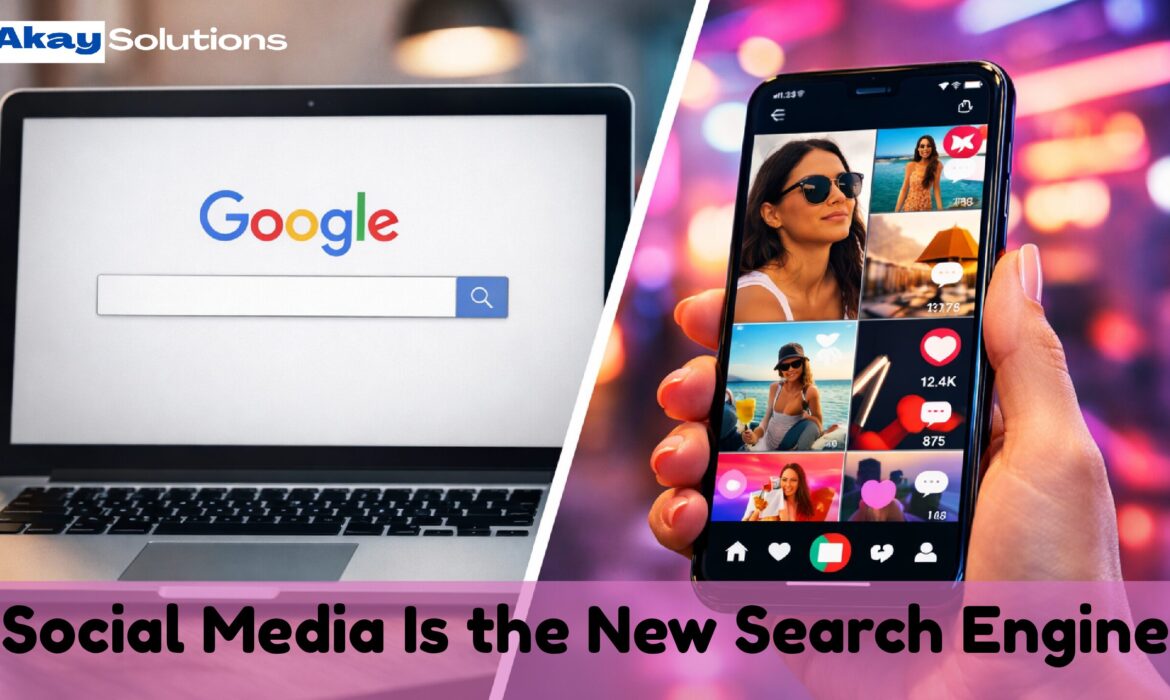
For the better part of two decades, if you wanted to find an answer, a product, or a service, you would “Google it.” The verb itself became synonymous with online search. However, as we move further into 2026, that behavior has fundamentally shifted. People aren’t just searching on Google anymore. They are searching on Instagram, TikTok, and YouTube . This massive change in consumer behavior is redefining the entire landscape of Search Engine Optimization (SEO). If your brand’s visibility strategy still revolves primarily around appearing on the first page of Google, you are likely missing out on a massive and growing segment of your audience. This shift makes visibility critical for brands providing the best social media marketing services in Hyderabad.
Discovery today often starts inside feeds, not on search pages. A user might be scrolling through their TikTok “For You” page and stumble upon a video reviewing the best noise-canceling headphones. They weren’t actively searching in the traditional sense, yet they discovered a product that solves a need they didn’t know they had. Alternatively, they might type a full question like, “what is the best smartphone for photography under 1000 dollars” directly into the Instagram search bar . This convergence of browsing and active querying means that social platforms have quietly transformed into powerful search engines in their own right. This article serves as the complete playbook for understanding why social media SEO is the new standard in 2026, how to optimize for it, and how to ensure your brand is found where attention actually lives.
How Social Media Became the New Search Engine
The Shift From Keywords to Discovery
The journey from traditional search to social search is rooted in how people consume content. In the past, search was an active, intentional act: you had a problem, you opened Google, and you typed in a few keywords. Today, a significant amount of discovery happens passively while scrolling. Algorithms on platforms like TikTok and Instagram are incredibly sophisticated at predicting what you might be interested in based on your past behavior, often before you even think to search for it . This shift from keywords to discovery means that content finds the user, rather than the user always finding the content.
This discovery-led model feels natural and instant. Instead of reading a 1,500-word blog post comparing products, a user can watch a 60-second video that shows the products in action. This preference for visual, immediate information has trained users to turn to social platforms first. For younger demographics, specifically Gen Z, platforms like TikTok and Instagram aren’t just for entertainment; they are the primary gateway for learning and shopping . This behavioral shift forces brands to think differently about content creation. It’s no longer enough to write a blog post and hope it ranks; you must create discoverable content that fits seamlessly into the user’s feed.
Trust in Creators Over Websites
Another critical factor fueling the rise of social search is trust. Modern consumers, particularly B2C audiences, often trust creators and peers more than they trust branded websites or polished advertisements . When a user searches for a “skincare routine for oily skin” on YouTube, they are looking for real experiences from real people. They want to see the product being applied, hear about the results (both good and bad), and get a sense of authenticity that a standard product page on a website cannot provide.
This trust in creators over websites has profound implications for social media SEO. When a creator reviews a product, their video becomes a searchable asset. If that video is optimized well, it will appear when users search for related terms. The engagement on that video—likes, comments, and shares—acts as a social proof signal, further boosting its visibility . This creates a powerful cycle: authentic content builds trust, which drives engagement, which in turn boosts the content’s ranking within the platform’s search results.
How People Search on Social Media in 2026
From Short Keywords to Full Questions
The language of search has evolved. On Google, users often type fragmented keywords, like “best running shoes.” On social media in 2026, search behavior is much more conversational. Users treat the search bar like they are asking a friend a question. They type or speak in full, long questions such as, “What are the best hiking trails near me that are dog-friendly?” or “Show me how to style a denim jacket for work” .
This shift from short keywords to full questions means that intent matters more than exact-match keywords. Algorithms on platforms like TikTok and YouTube are now advanced enough to parse natural language and understand the context behind the query . For brands, this means your content strategy must shift from targeting short, generic keywords to answering specific, long-tail questions. Your captions, video scripts, and on-screen text need to mirror the way real people actually speak and ask questions.
Voice, Comments, and Caption-Based Search
The way we input searches is also diversifying. Voice search is becoming increasingly common inside social apps. Users might speak a query into their phone while cooking or driving, asking their device to find a specific TikTok recipe or Instagram Reel tutorial. This further reinforces the need for content that answers natural, spoken language queries .
Furthermore, the elements surrounding your post—specifically comments and captions—are now critical for social media SEO. Platforms index comments to understand the context of a post. A lively comment section filled with relevant keywords can signal to the algorithm that the content is valuable and pertinent to a specific topic . Similarly, captions act like SEO metadata. A well-written caption that clearly explains the video’s content and includes relevant phrases helps the platform’s search engine categorize and surface your content. In 2026, your caption is just as important as the video itself for discoverability.
Platform-Wise Social Search Behavior
Instagram as a Search Engine
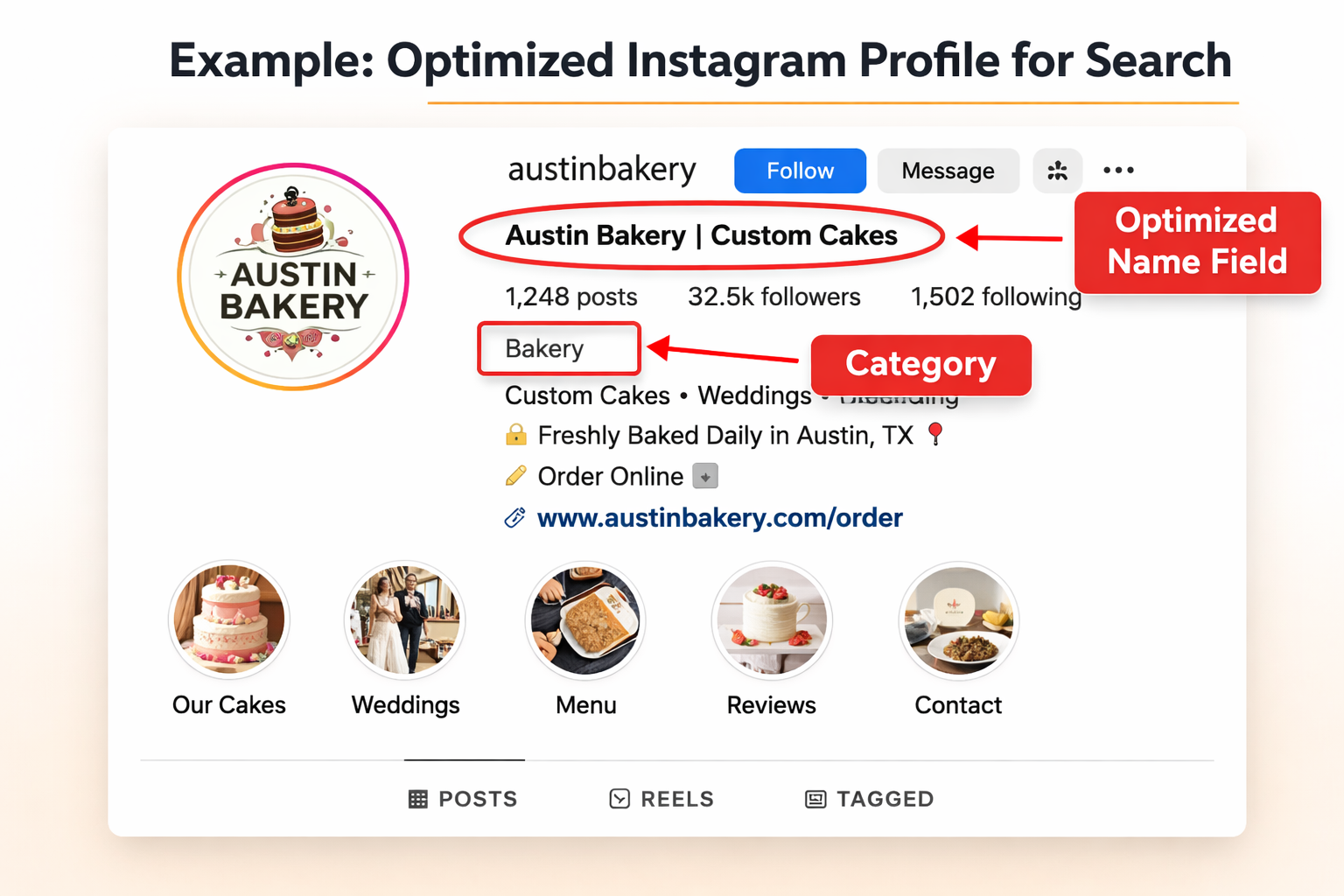
Instagram has evolved far beyond a simple photo-sharing app. Its search functionality is now robust, allowing users to find content via hashtags, captions, Reels, and even specific profiles . In 2026, Instagram SEO matters because the platform’s algorithm analyzes keywords in your bio, your profile name, and your captions to determine what your content is about. For instance, a bakery in Austin should have “Austin Bakery | Custom Cakes” in their bio, not just their business name.


The importance of saves and DMs (Direct Messages) on Instagram cannot be overstated. When a user saves a post, it signals to the algorithm that the content is valuable and worth returning to. High save rates can significantly boost a post’s visibility in search results and the Explore page . Similarly, if a post generates a lot of DMs—meaning people are sharing it with friends privately—it’s a strong indicator of relevance and quality.
TikTok as a Search Engine

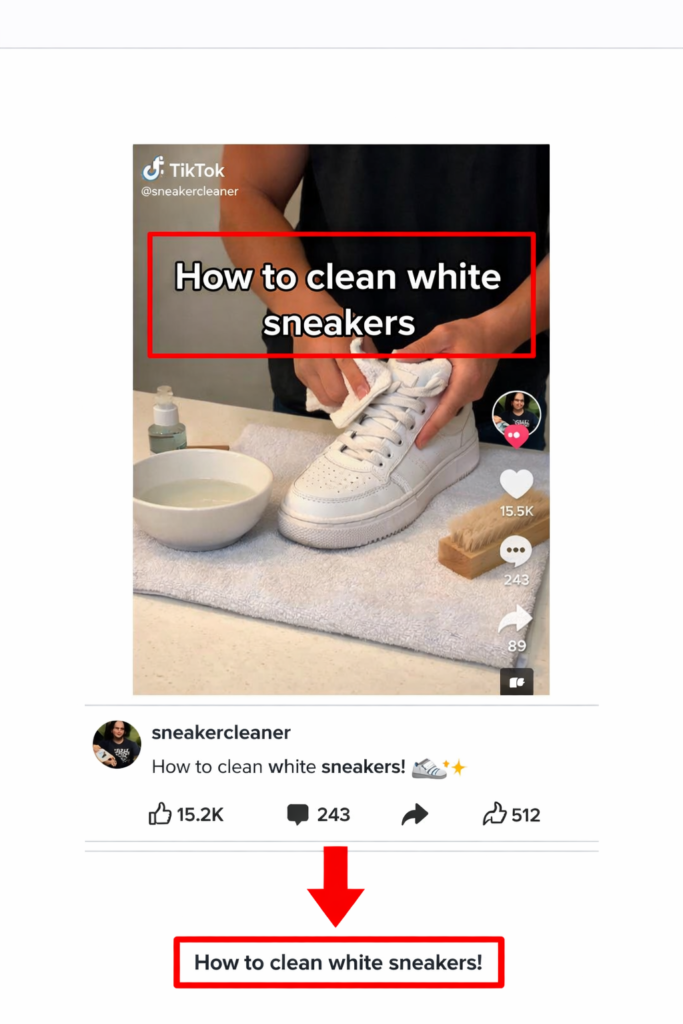
TikTok has arguably pioneered the social search revolution. For a significant portion of Gen Z and millennials, it is the go-to search engine for “how-to” searches, product reviews, and travel recommendations . TikTok’s algorithm is incredibly adept at indexing spoken words, on-screen text, and captions. If you want to rank on TikTok in 2026, you must say your primary keyword within the first few seconds of your video. You must also write it on the screen.
Watch time and completion rate are the holy grails of TikTok SEO . The platform prioritizes videos that keep users engaged until the very end. If a video answers a user’s query quickly and effectively, leading to a high completion rate, it is far more likely to rank for that query long-term. TikTok content is no longer just ephemeral entertainment; well-optimized, evergreen “how-to” videos can drive views and engagement for months or even years after they are posted.
YouTube as a Search Engine
YouTube remains the second largest search engine in the world, and in 2026, its role in social search is more critical than ever . The platform caters to different intents. Shorts are perfect for quick answers and discovery, acting as the “top of funnel” for new audiences. Long-form videos, however, cater to users with deeper intent who want comprehensive guides, comparisons, and educational content.

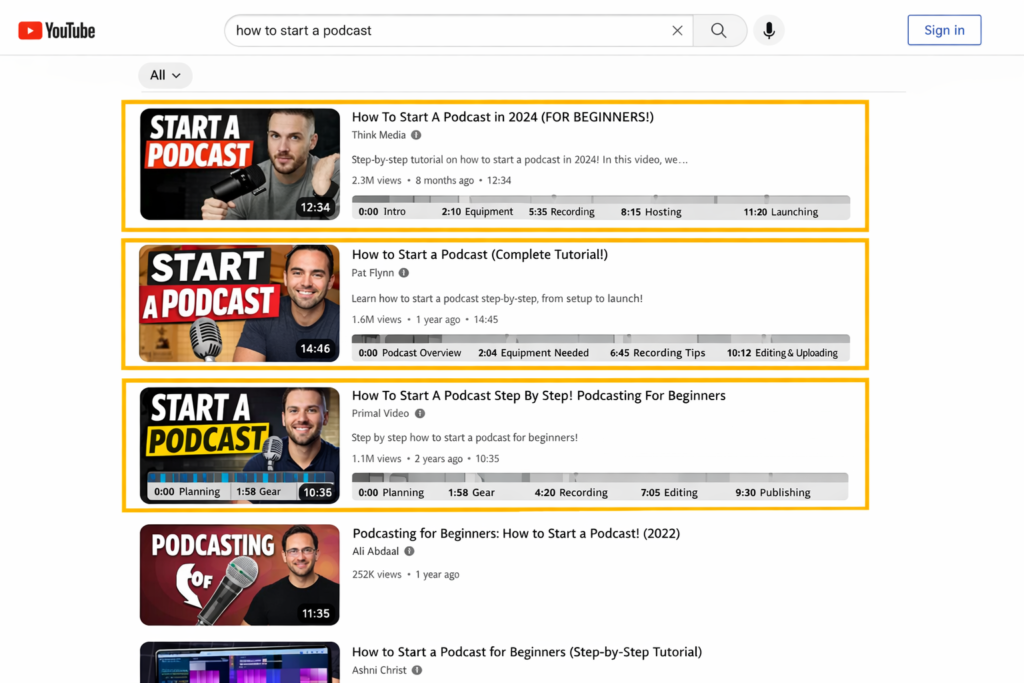
Optimizing for YouTube requires a blend of traditional and modern tactics. Titles and descriptions must be keyword-rich and compelling. But a huge ranking factor is viewer satisfaction, measured by watch time and engagement. Using chapters in your long-form videos helps users find the information they need quickly, which improves their experience and can boost your video’s SEO. Unlike other platforms where content fades quickly, well-made YouTube videos enjoy evergreen visibility, consistently drawing in traffic from both YouTube and Google searches over long periods .
B2B vs B2C – Where Audiences Search in 2026
Social Search for B2B Audiences
While B2C search often leans towards visual and impulse-driven platforms, B2B social search is centered on education and authority. For B2B audiences, the journey involves longer buying cycles and more research. Therefore, they flock to platforms like LinkedIn and YouTube . On LinkedIn, decision-makers search for thought leadership, industry insights, and company culture. A well-optimized LinkedIn article or carousel that answers a specific business challenge can generate high-quality leads.
YouTube is another powerhouse for B2B search. Professionals search for software demos, in-depth tutorials, and case studies before making a purchase decision. For B2B brands, creating searchable content that addresses pain points and offers solutions is crucial. The search intent here is educational and decision-based, so content must be detailed, credible, and optimized for keywords that reflect the user’s professional needs.
Social Search for B2C Audiences
B2C audiences, on the other hand, dominate platforms like Instagram and TikTok . Search behavior here is often driven by inspiration, impulse, and visual appeal. A user might search for “summer outfit ideas” or “quick dinner recipes” not because they have an immediate transactional need, but because they are seeking inspiration. This is trend-based search.
For B2C brands, success in social media SEO means tapping into these trends while also creating searchable content. If “tomato girl summer” is a trending aesthetic, a fashion brand needs to create content that answers the search query related to that trend. The content must be highly visual, authentic, and optimized with the right captions and sounds to be discoverable. When a user searches for that trend, your brand’s interpretation should be among the top results.
How Social SEO Is Different From Traditional SEO
Google SEO vs Social Media SEO
The mechanics of ranking on Google versus ranking on a social platform are fundamentally different. Traditional Google SEO relies heavily on backlinks, domain authority, technical website structure, and meta tags. It’s about proving to a robot that your website is the most authoritative source on the internet for a given topic.
Social media SEO flips this model on its head. Ranking factors on platforms like TikTok and Instagram are dominated by engagement signals—saves, shares, comments, watch time, and replays . Backlinks are irrelevant. Instead of domain authority, you have profile authority, which is built through topical consistency and a history of high-performing content. In this new world, speed and relevance matter more than keywords stuffed into a blog post. If your content satisfies a user’s query instantly and keeps them on the platform, it will rank.
Native Content Wins Over External Links
Another stark difference is how platforms treat external links. For years, the goal of content was to drive traffic to a website. In 2026, social platforms are actively designing algorithms to keep users inside their walls. They prioritize native content—content that is created and consumed directly on the platform .
Platforms like Instagram and TikTok limit outbound traffic because they want to retain user attention. They have introduced native shops, native forms for lead generation, and even native checkout features. This means that if you post a video on Instagram and ask users to click the link in your bio, you will likely see less reach than if you had set up an Instagram Shop where users can browse and buy your products without ever leaving the app. Social media SEO in 2026 is about platform-first optimization, where the goal is to complete the user journey within the ecosystem where the search happened .
How to Optimize Content for Social Search in 2026
Content Structure That Algorithms Can Index
To be found, your content must be easily understood by algorithms. This requires a specific content structure. Hooks are the most critical element. You have roughly 1-3 seconds to grab a user’s attention and tell the algorithm what your video is about. You must state your topic immediately.
Subtitles and on-screen text are no longer optional. Many users watch videos without sound, and more importantly, platforms use Optical Character Recognition (OCR) to read the text on your screen. This text acts as a ranking signal . Similarly, spoken words are transcribed and indexed. Therefore, clarity beats creativity when it comes to social media SEO. A creatively vague video might be enjoyable, but a clear, structured video that explicitly states its topic will always win in search rankings.
Keywords Are Replaced by Context
While keywords are still important, they function differently in 2026. We have moved into an era of semantic search and topic clusters. Instead of focusing on a single keyword, you need to establish context . For example, if you are a fitness brand, you shouldn’t just create one video on “how to lose weight.” You should create a cluster of content around related topics: “beginner workout routines,” “healthy meal prep ideas,” “how to stay motivated,” and “best exercises for core strength.”
This natural language optimization helps the platform understand your area of expertise. When a user searches for a broad term like “get fit,” the algorithm can look at your body of work and determine that you are an authority on the broader topic of fitness, making your content more likely to rank.
Engagement Signals That Affect Social Search Rankings
Saves, Shares, and Watch Time
Vanity metrics like likes are becoming less important. In 2026, the signals that truly matter are those that demonstrate deep value and intent. Saves are incredibly powerful because they show that a user found the content so valuable that they want to archive it for future reference . Shares extend the content’s reach to new audiences, acting as a personal endorsement.
Watch time is perhaps the most universal ranking factor across platforms . If a user watches your entire video, and especially if they replay it, the algorithm interprets this as a sign of high quality and relevance. A high watch time and completion rate can give your content long-term visibility, pushing it to the top of search results for weeks or months.
Comments and DMs as Ranking Signals
Public conversations and private shares are now key ranking signals. A post with a vibrant, active comment section filled with relevant discussion is seen as community-driven and valuable . These conversations add a rich layer of context for the algorithm.
Furthermore, DMs are becoming a significant indicator of intent . If a user sees a product recommendation and immediately DMs it to a friend (e.g., “We should go here!”), the platform recognizes this as a high-intent action. This community-based ranking approach ensures that content which fosters genuine human connection is rewarded with greater visibility.
The Rise of On-Platform Actions and Native Checkout
Why Platforms Want Users to Stay Inside the App
The business model of social media has evolved. Platforms are no longer content being just a pitstop in the customer journey; they want to be the entire journey. This is driven by retention-focused algorithms that reward content that keeps users engaged. If a user can discover a product, research it via reviews, and buy it all without leaving Instagram or TikTok, the platform wins .
This has led to the proliferation of native shops and native forms. Brands can now capture leads and make sales directly within the app. This reduces the need for a traditional website and makes platform-first optimization non-negotiable.
SEO Is Now Directly Linked to Conversions
In this new ecosystem, social SEO is directly linked to conversions. When a user searches for “gifts for dad” on Instagram and finds your product, they can tap on it, view the price, and complete the native checkout in seconds. This creates a seamless social SEO to sales flow.
This action-based visibility creates a powerful feedback loop. If your product page on Instagram converts well, the platform’s algorithm will note that your brand is good at selling that product, and it will show your content to more users searching for similar terms. Being found is no longer just about awareness; it’s about driving immediate, measurable business results .
Common Social SEO Mistakes Brands Still Make
Depending Only on Google SEO
The most significant mistake brands continue to make is putting all their eggs in the Google basket. While Google SEO is not dead, it is no longer the only game in town. By focusing solely on traditional search, brands miss out on massive visibility on platforms where their audiences actually spend their time . This lack of platform diversification is a future risk, especially as younger generations come of age and enter the workforce with search habits that are entirely social-first.
Creating Content Without Search Intent
Another common pitfall is creating content that chases trends without any consideration for search intent. A brand might post a funny, trendy video that gets thousands of views but is quickly forgotten and does nothing for long-term discoverability . This is the “trend-only posting mistake.”
While riding trends can boost short-term views, it does little to build a library of searchable assets. If your content doesn’t answer a question or solve a problem, it has a short content lifespan. For sustainable growth, you need a mix of trend content and evergreen, search-driven content that people will look for months from now.
The New SEO Playbook for 2026
Combining Google SEO and Social SEO
The winning strategy for 2026 is not to abandon one for the other, but to combine them into a cohesive multi-platform strategy . Your Google SEO efforts can inform your social media SEO. Look at the questions people are typing into Google to find your site; those same questions should be answered in your TikTok videos and Instagram Reels.
This approach allows for efficient repurposing of content. A single well-researched blog post can be broken down into a series of short videos, a LinkedIn carousel, and a few tweets. By doing this, you cover the entire search universe, ensuring your brand is present whether a user starts their journey on Google, TikTok, or LinkedIn.
One Idea, Multiple Search Platforms
Efficiency in content creation is key to scaling your social SEO efforts. The goal is to take one core idea and adapt it for cross-platform ranking. A long-form YouTube video explaining a complex topic can be cut into several TikTok and YouTube Shorts. Key statistics from that video can be turned into a visually appealing Instagram carousel. The audio from the video might be repurposed for a podcast or a Twitter Space.
This content adaptation ensures that you are feeding the algorithms of every major platform with consistent, high-quality content. It creates a unified brand presence and maximizes the return on investment for every piece of content you create.
Conclusion – Be Found Where Attention Lives
The shift is undeniable. Social media platforms have evolved into sophisticated search engines, fundamentally changing how people discover information, products, and brands. In 2026, if your brand is not optimized for social search, you are invisible to a massive audience that begins their journey not on Google, but inside the feeds of Instagram, TikTok, and YouTube—where users also discover and evaluate the best digital marketing agency in Hyderabad.

The need to adapt is urgent. This is not a passing trend; it is the new standard. The brands that will thrive in this environment are those that understand the nuances of each platform, create content with clear search intent, and optimize for engagement signals like saves, shares, and watch time. Social SEO is now the complete playbook for digital visibility. To be found, you must go where the attention lives—and in 2026, attention lives on social media.
Frequently Asked Questions (FAQs)
1. What is the difference between Google SEO and Social Media SEO in 2026?
Google SEO focuses on ranking web pages based on backlinks, domain authority, and technical factors. Social Media SEO focuses on ranking content inside platforms like TikTok and Instagram based on engagement signals such as watch time, saves, shares, and comments. Social SEO is about optimizing for discovery inside feeds and searches on social apps .
2. Do hashtags still matter for social search in 2026?
Yes, but they are no longer the primary ranking factor. Hashtags help platforms understand the context of your content, but they are just one signal among many. It is more important to use keywords naturally in your captions, on-screen text, and spoken audio. A few highly relevant hashtags (3-8) are more effective than a long list of spammy ones .
3. How do “saves” and “DMs” affect my content’s ranking?
Saves and DMs are powerful ranking signals because they indicate high intent and value. When a user saves a post, it tells the algorithm the content is worth returning to. When a user shares a post via DM, it shows the content fosters genuine connection. Both actions significantly boost your content’s visibility in search results and on the Explore page .
4. Should B2B companies invest in social media SEO?
Absolutely. B2B audiences are actively using LinkedIn and YouTube to research solutions, compare vendors, and make purchasing decisions. Optimizing content for search on these platforms—with educational how-tos, case studies, and thought leadership—is crucial for reaching decision-makers during their research phase .
5. What is the most important factor for ranking on TikTok in 2026?
While multiple factors matter, watch time and completion rate are the most critical. TikTok prioritizes videos that keep users engaged until the end. To rank, you must hook the viewer immediately, deliver on your promise quickly, and satisfy their search intent within the first few seconds of the video .